Attention Over Volume
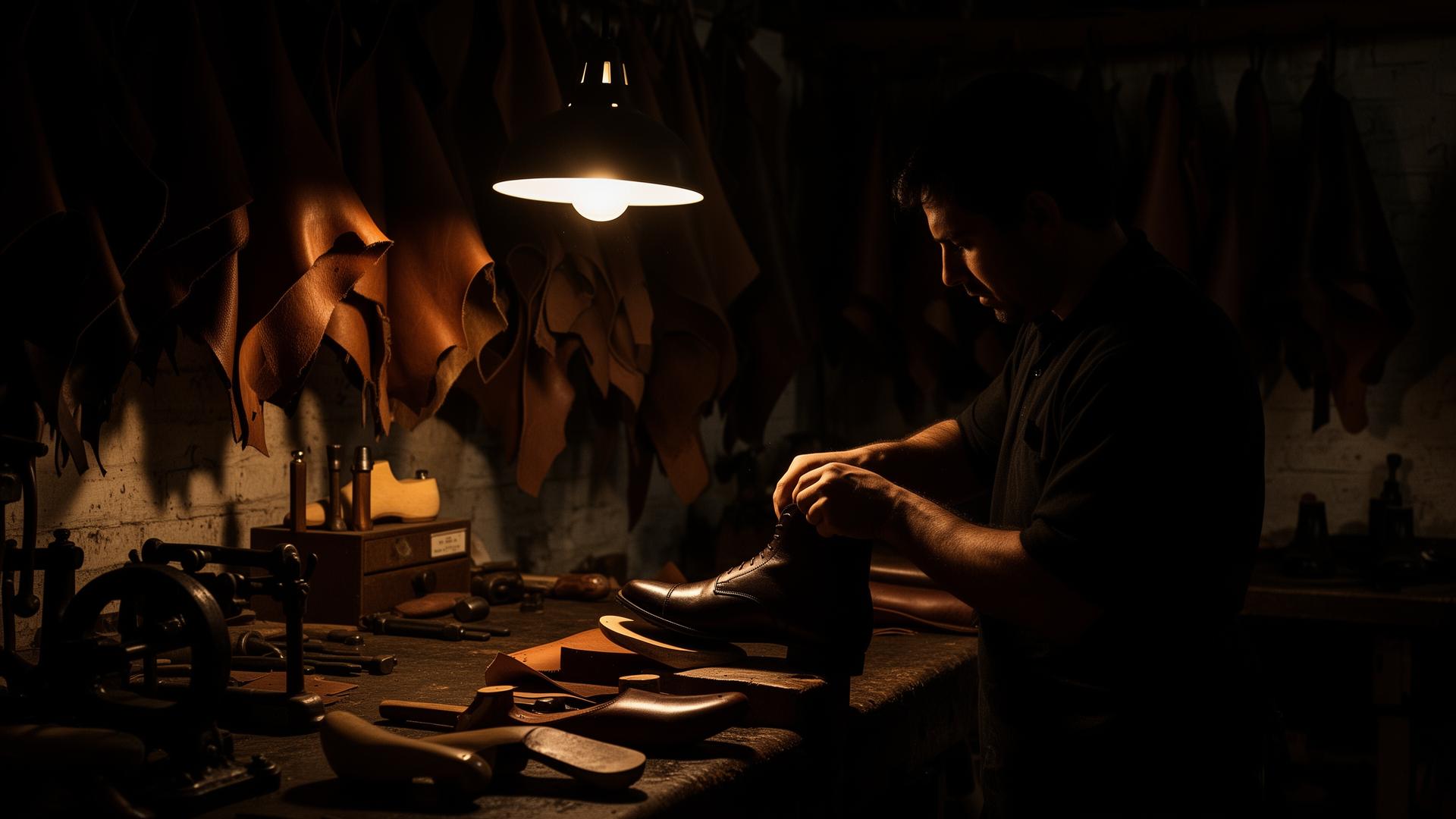
Jakkrabbits is framed as a workshop, not a production line. The story should make slow decisions visible: leather choice, pattern, last, welt, sole, and finish.
Hand-built heritage footwear
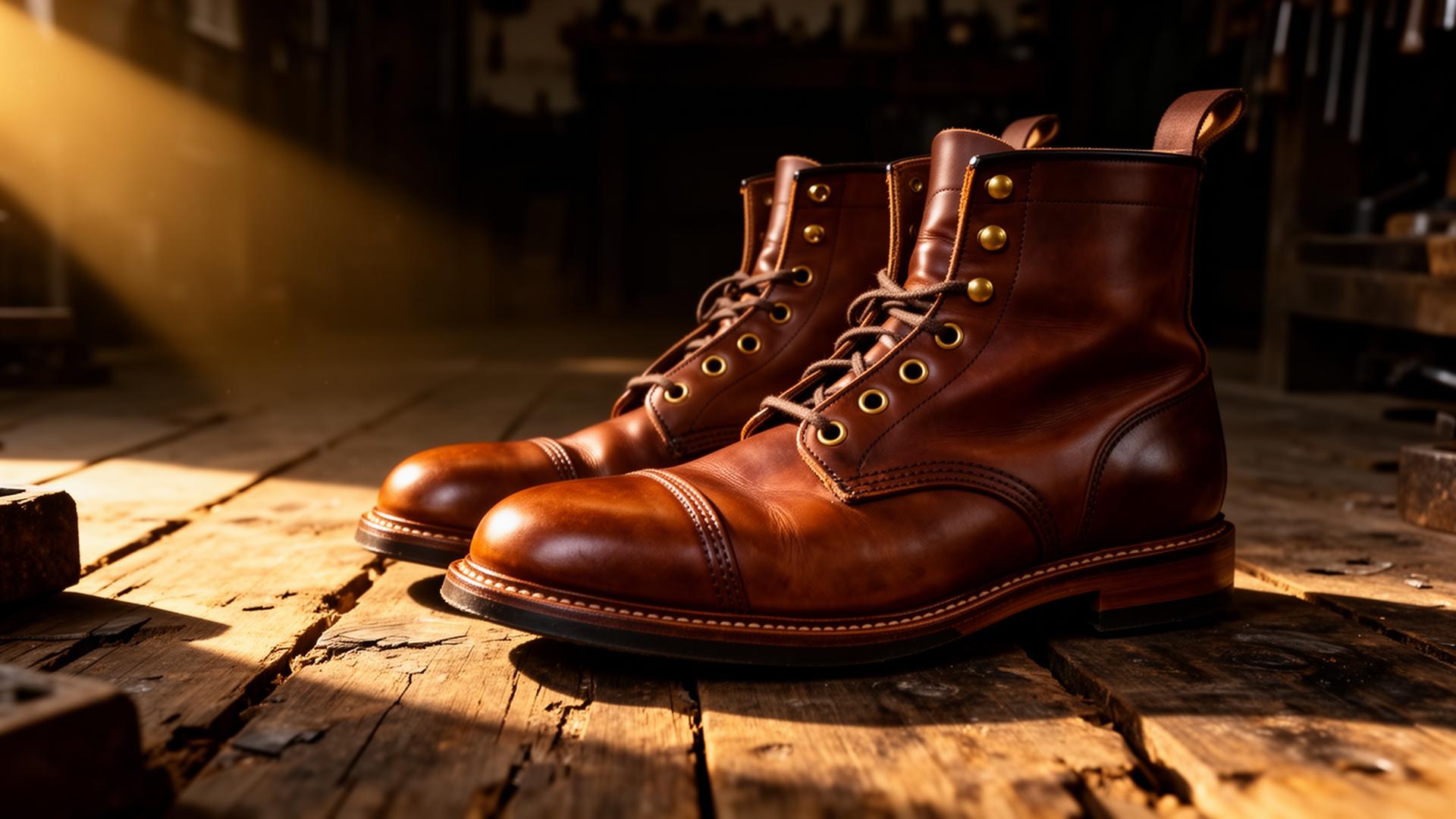
Jakkrabbits builds boots and shoes one pair at a time for people who care about leather, fit, repairability, and the marks a pair gathers through years of wear.
The workshop belief
Jakkrabbits began in Bandung with a simple belief: a pair should be built with enough care to stay with its owner for years. The work starts with traditional bootmaking materials and methods, then moves through direct customer conversation, guided customization, and worldwide delivery.
The point is not only that the shoes are handmade. The point is that each decision has room to be considered: which leather fits the build, how the last supports the foot, how the sole changes the feel, and whether the finished pair can be repaired instead of replaced.
Hand-built heritage footwear from Bandung, made one pair at a time for people who care about craft, fit, and long wear.
What guides the work
These principles turn the story into visible proof: materials, construction, communication, fit review, and long-term repairability.
Jakkrabbits is framed as a workshop, not a production line. The story should make slow decisions visible: leather choice, pattern, last, welt, sole, and finish.
The page should show the inside of the build, from upper stitching to hand-welting and edge finishing, so customers can understand what they are paying for.
A good pair is not treated as disposable. The construction is chosen so the outsole can be replaced and the upper can keep aging with the owner.
Customization is guided by proven patterns and workshop advice, so customers can choose details without losing a coherent final build.
Sizing is handled before production, with measurement context, last guidance, and a clear path to ask the workshop for help.
The brand should feel local in craft and global in access: built in Bandung, discussed online, and shipped worldwide.
What hands do
A story page should let customers inspect the path from hide to finished pair. These moments make the construction easier to understand before someone orders.
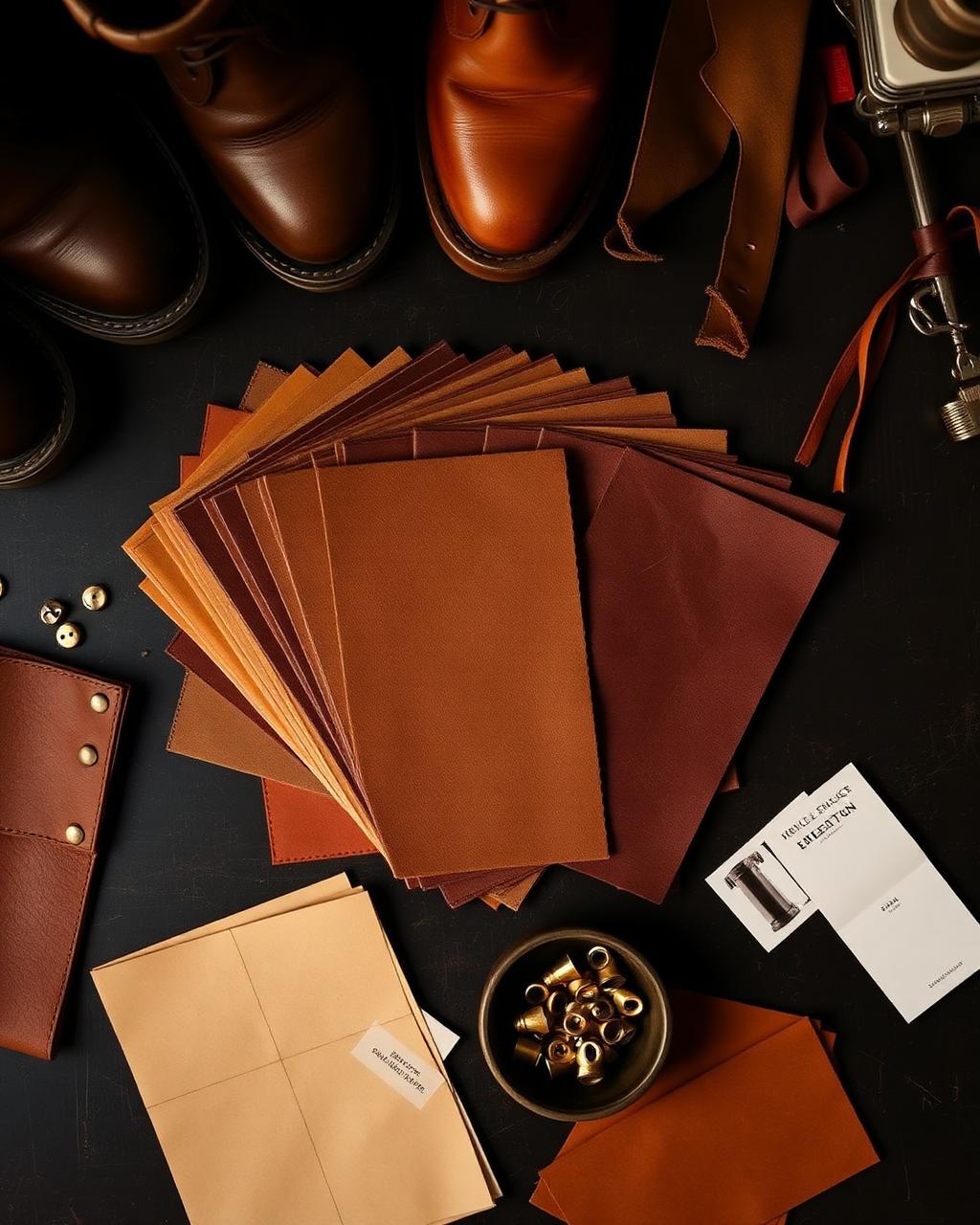
01
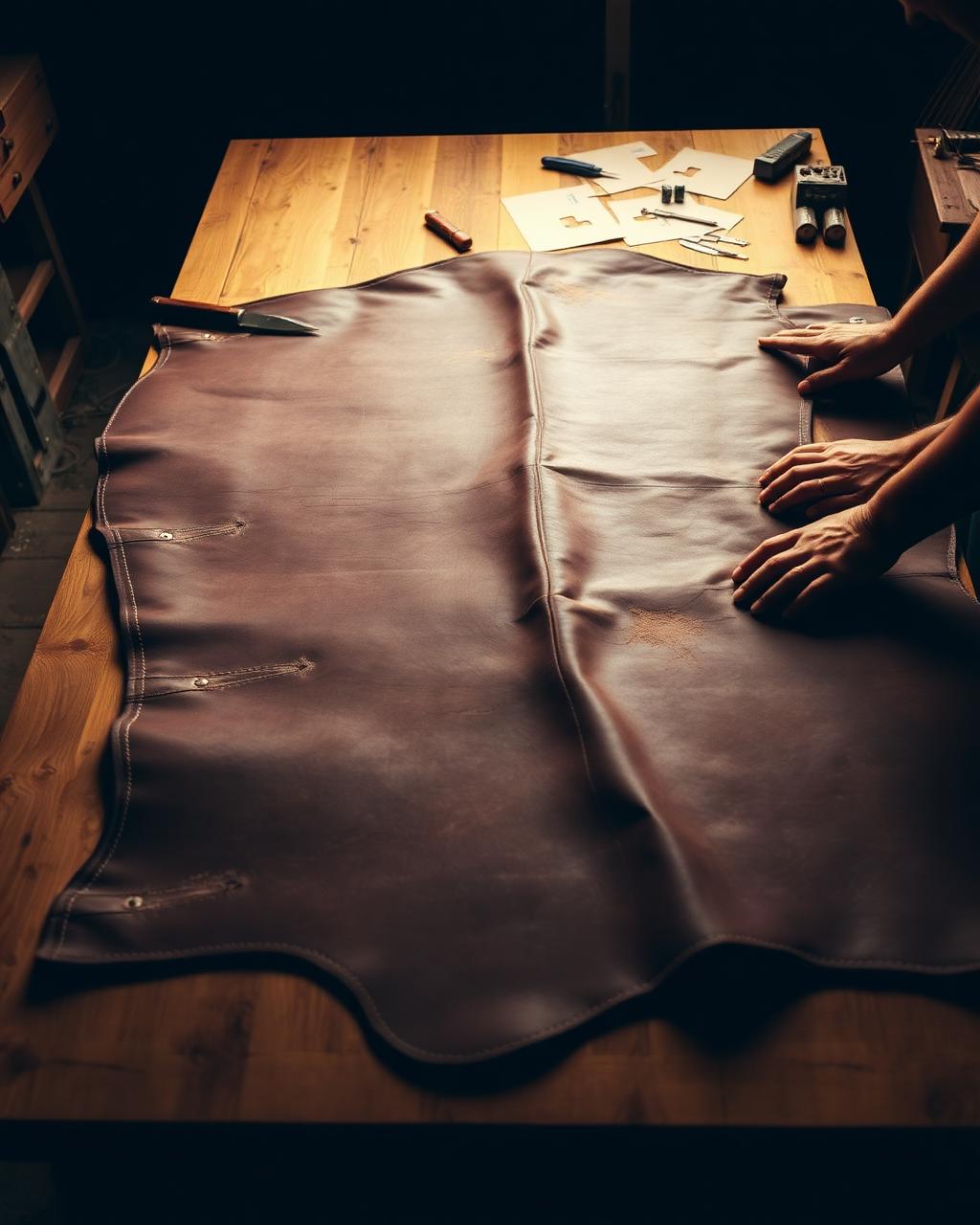
The work starts before stitching. The hide is inspected for grain, tension, and character, then cut in a way that supports how the pair should break in.
02
Panels become an upper, then the form is shaped around the last. This is where silhouette, support, and fit intention begin to become visible.
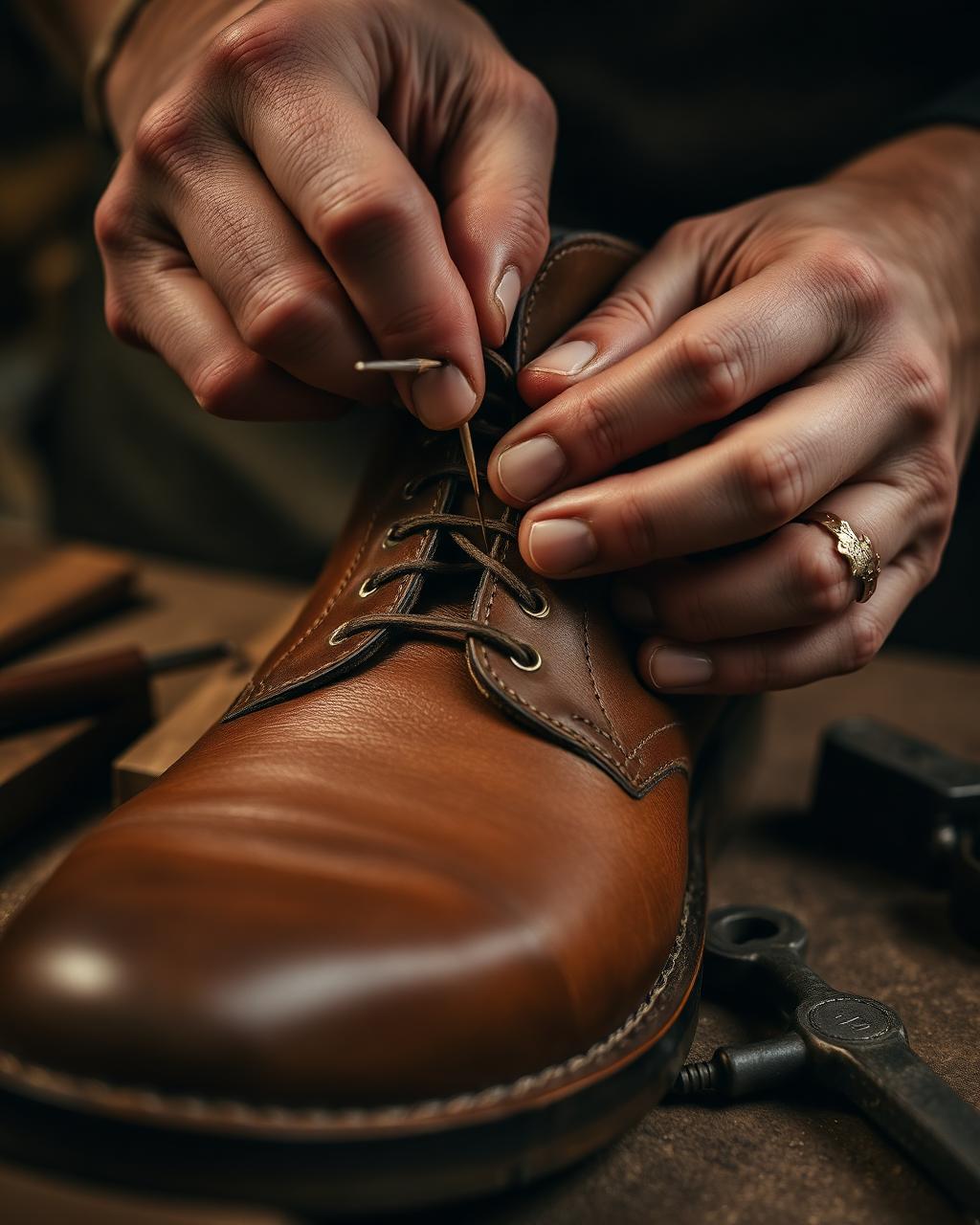
03
The welt connects the upper to the sole structure by hand. It is slow work, and it is the reason the pair can be repaired instead of replaced.
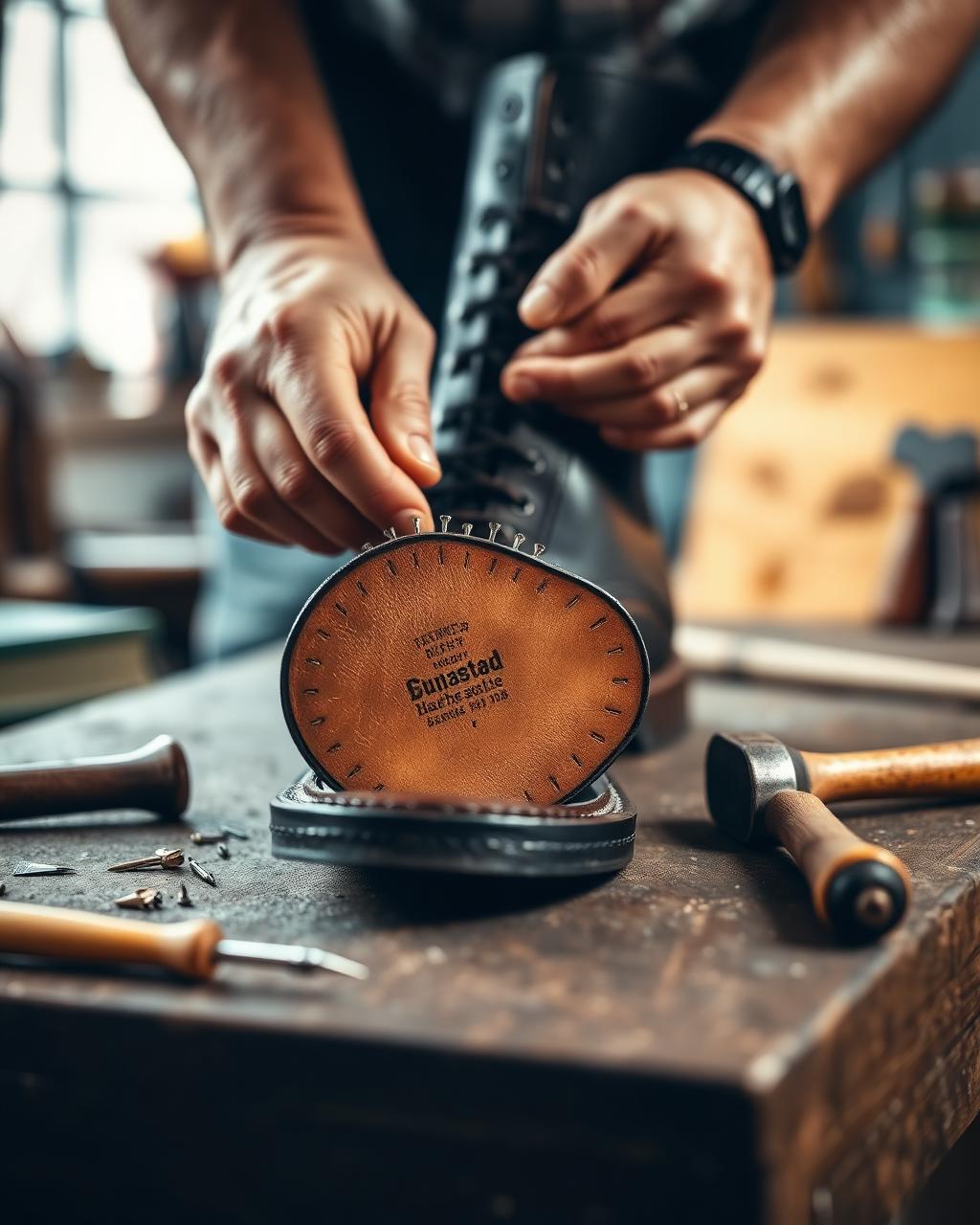
04
Cork, shank, midsole, outsole, and heel are built into the pair. These hidden layers affect support, flex, balance, and long-term serviceability.
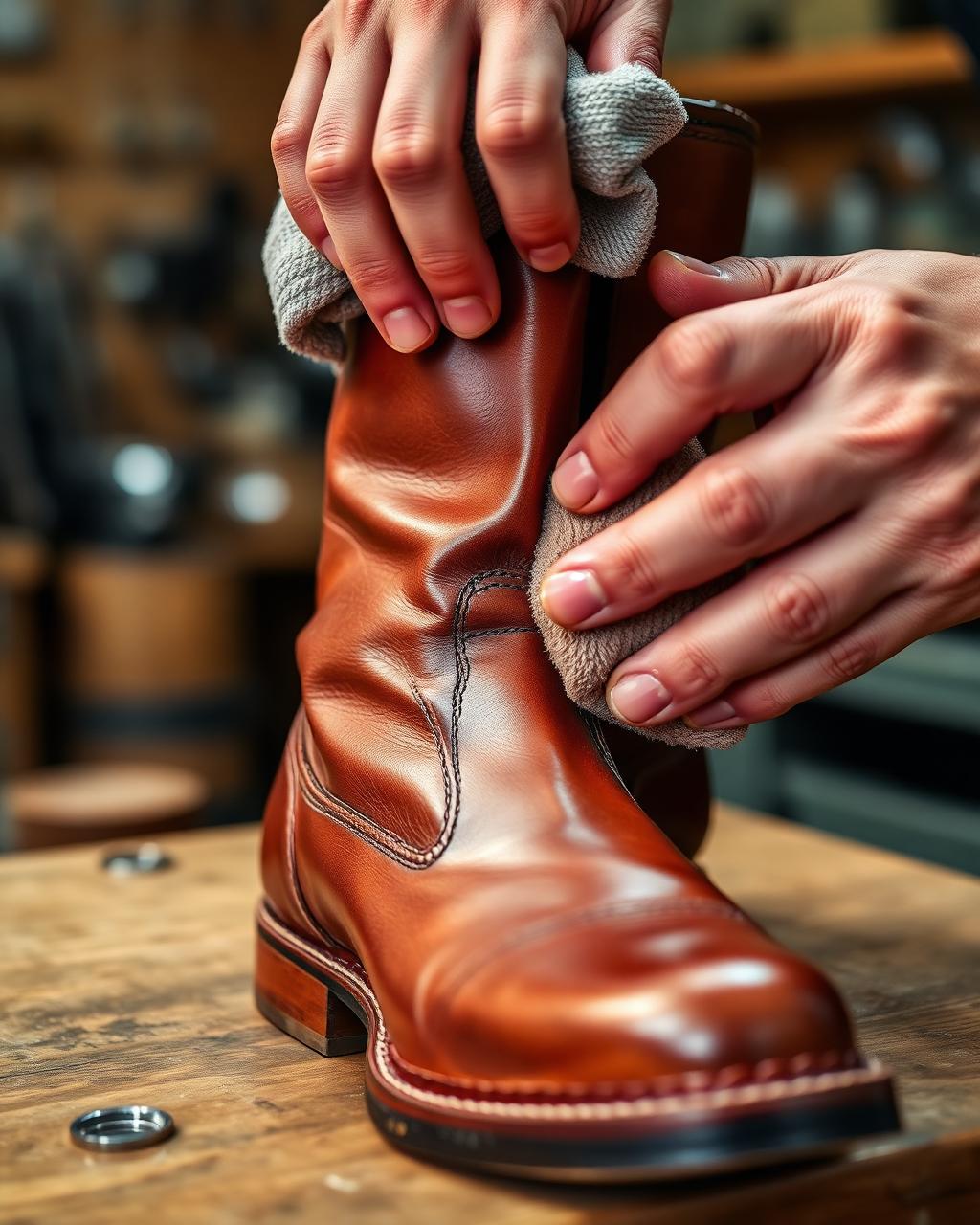
05
Edges are shaped, the upper is conditioned, and the finished pair is checked before it leaves the workshop with tracked worldwide shipping.
Custom without confusion
The story should explain how customization is guided by the workshop. Customers can choose a design, adjust materials and details, then confirm sizing before the pair enters production.
Step 1
Start from a design and last that already has a known purpose, rather than inventing every detail from zero.
Step 2
Select leather, sole, welt, hardware, and finishing details with the intended wear in mind.
Step 3
Send measurements or sizing notes so the workshop can review the order before cutting begins.
Step 4
The pair is made after confirmation, checked in the workshop, and shipped worldwide when complete.
Outside voices
Reviews and customer discussions should influence the story without turning the page into a claims wall. The useful pattern is proof, context, and honest expectation setting.
Stridewise
Third-party review coverage highlights premium hand-welted construction, leather midsoles, steel shanks, and a value position against larger heritage boot brands.
Patina Project
Customer review listings repeatedly point to customization, daily wear, sizing support, and the appeal of Indonesian bootmaking.
Public forum discussion
Customer conversations also show why the page must be honest about sizing, communication, leather behavior, and the importance of sharing fit details before production.

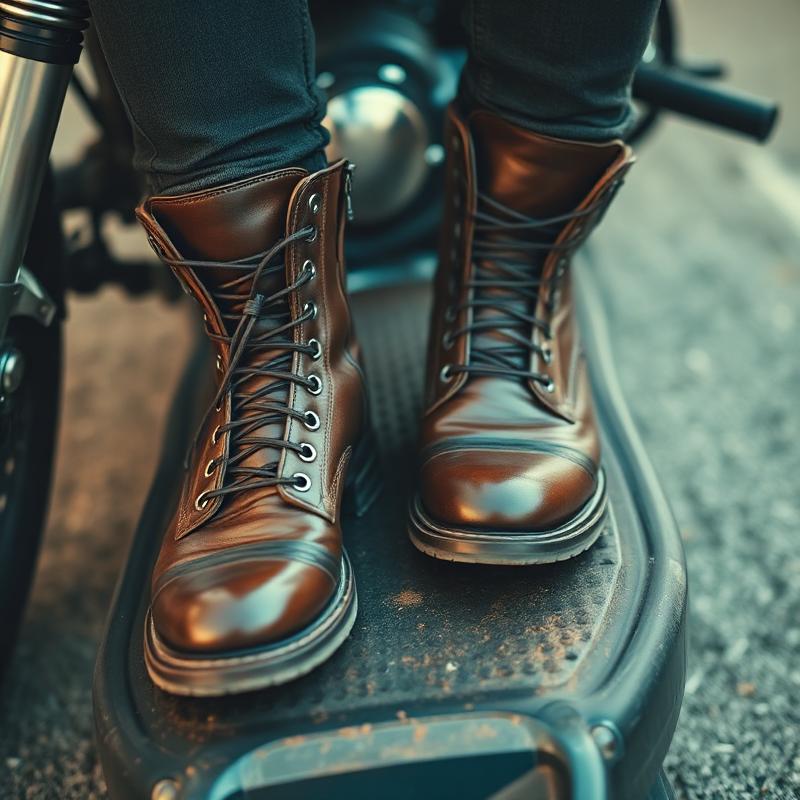
Still refining
Made-to-order footwear needs clear expectations. The page should show confidence in the craft while making room for sizing support, communication, and product learning.
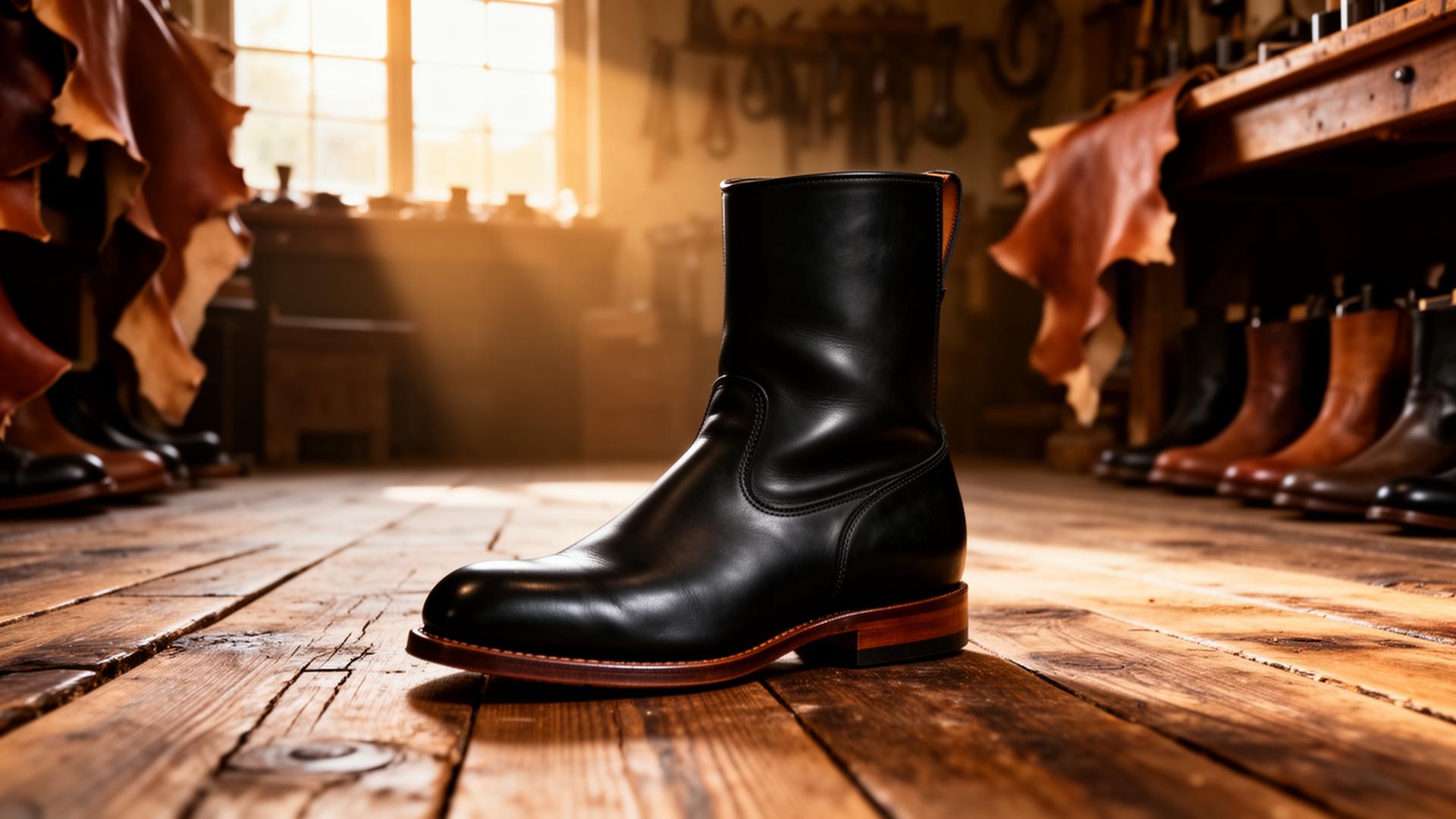
Made by hand, made to last.
Choose a proven Jakkrabbits silhouette, then let the workshop guide fit, leather, construction, and finishing details before production begins.